
The art of cutting stone has evolved significantly over the years. While traditional methods like chiseling and sawing have their place, modern technology has introduced a game-changer in the form of waterjet cutting. This innovative technique uses a high-pressure stream of water, sometimes mixed with abrasive substances, to slice through stone with precision and efficiency. In this article, we’ll delve into the benefits of using a waterjet cutter for stone, the technology behind it, and why it might be the perfect solution for your cutting needs.
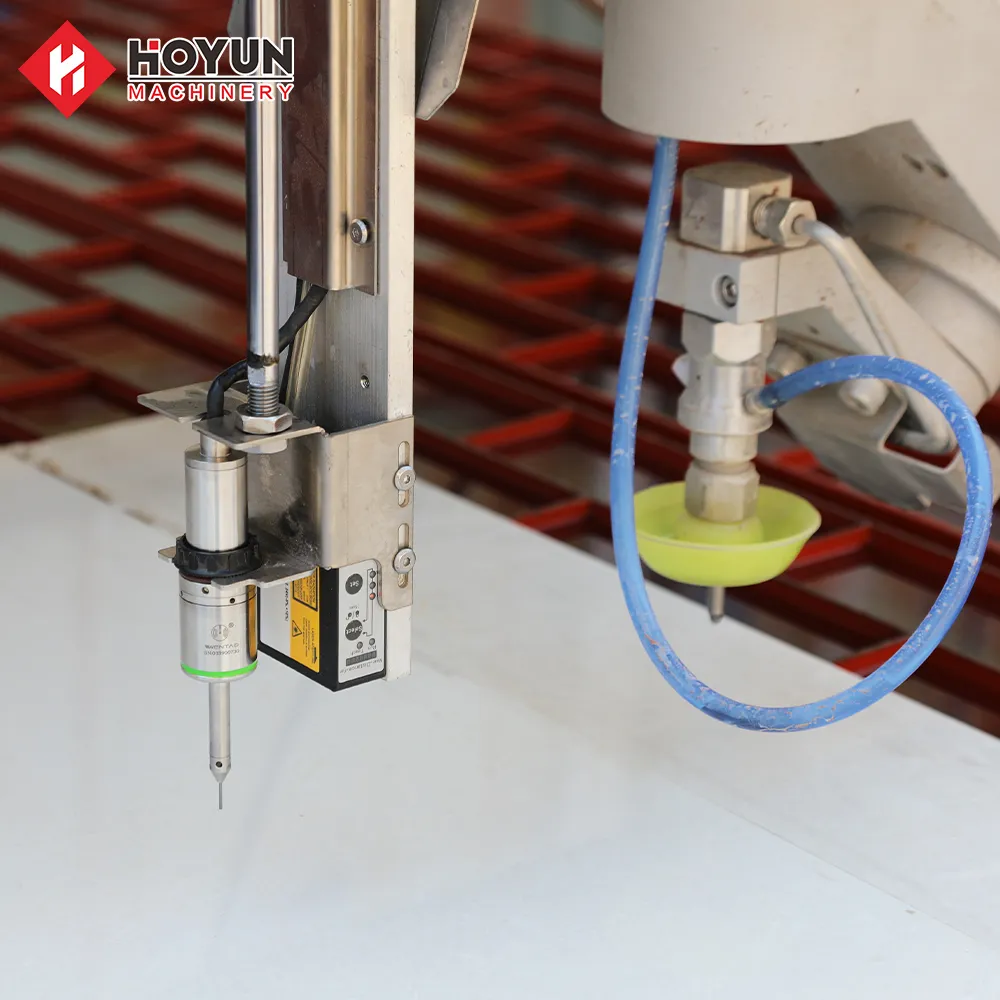
Waterjet cutting is a process that employs a high-pressure jet of water, sometimes combined with abrasive materials, to cut through various materials, including stone. The waterjet cutting machine directs this powerful stream with precision, allowing it to carve intricate designs and shapes out of stone.
How Does a Waterjet Cutter Work?
The process begins with a pump that increases the water pressure, sometimes up to 90,000 psi (pounds per square inch). The water is then directed through a small nozzle, creating a jet capable of cutting through stone. When abrasives are added, the cutting power increases, allowing the machine to handle tougher materials.
Advantages of Stone Waterjet Cutting
The advantages of using a waterjet cutting machine for stone are numerous. Here, we break down the key benefits:
Precision and Versatility
One of the standout benefits of waterjet cutting is its precision. The technology allows for intricate designs and detailed cuts that would be challenging with traditional methods. Whether you’re working on complex patterns or simple cuts, a waterjet cutter can handle it with ease.
Moreover, waterjet cutting is incredibly versatile. It’s not just limited to stone; it can cut a variety of materials, including metal, glass, and plastics. This versatility makes it a valuable tool in various industries, from construction to art.
No Heat-Affected Zones
A significant advantage of waterjet cutting is that it doesn’t produce heat-affected zones. Traditional cutting methods can generate heat, which may alter the material’s properties. With waterjet cutting, the process is cold, meaning there’s no risk of distortion or changes in the stone’s natural appearance.
Environmentally Friendly
Waterjet cutting is an environmentally friendly option. It doesn’t produce hazardous waste or harmful gases, making it a clean and safe process for both the operator and the environment. Additionally, water used in the process can often be recycled, reducing water wastage.
Efficiency and Cost-Effectiveness
Applications of Stone Waterjet Cutting
Waterjet cutting is used in various applications, thanks to its precision and versatility.
Architectural and Artistic Projects
In architecture, waterjet cutting is used to create detailed stone designs for floors, walls, and facades. Its ability to produce intricate patterns makes it a popular choice for artistic projects as well, such as sculptures and decorative elements.
Industrial Uses
In the industrial sector, waterjet cutting is utilized for tasks that require precise stone cutting. This includes manufacturing parts and components that need to meet exact specifications.
Choosing the Right Waterjet Cutting Machine
When selecting a waterjet cutting machine, consider factors like the size of the projects you’ll be working on and the types of materials you’ll cut. Some machines are designed for smaller, intricate cuts, while others are built for larger, more demanding tasks.
Important Features to Consider
- Pressure Capacity: Higher pressure means more cutting power.
- Nozzle Size: Smaller nozzles provide more precision.
- Abrasive Compatibility: Depending on the stone, you may need to use abrasives.