
Choosing the right granite cutting machine is crucial for any stone fabrication project. These machines are essential for precision and efficiency.
They come in various types, each
suited for different tasks and scales.
From bridgesaws to handheld granite cutters, the options are vast. Bridgesaws are perfect for large-scale projects, offering stability and precision.
Handheld cutters, on the other hand, provide flexibility for intricate tasks.
Key features like blade size, cutting speed, and power source play a significant role. Water-cooled systems and safety features are also important considerations.
The right machine can enhance productivity and ensure quality results.
Understanding your project needs is vital. This guide will help you navigate the options and make an informed decision.
Understanding Granite Cutting Machines
Granite cutting machines are fundamental tools in the stone industry. They enable precise slicing through one of nature’s hardest materials.
Their design facilitates tasks, minimizing
labor-intensive work.
Various types of granite cutting machines exist, each crafted for specific purposes. They differ in size, power, and functionality.
Understanding these differences is key to selecting the
best machine for your needs.
Key components to examine in these machines include:
Blade material and size
Power source
Cutting speed
Consider also the machine’s compatibility with other types of stone. This versatility can be a significant advantage.
Proper knowledge of these machines ensures enhanced efficiency and superior results.
Types of Granite Cutting Machines
When choosing a granite cutting machine, understanding the different types available is crucial. Each has distinct advantages tailored to various needs.
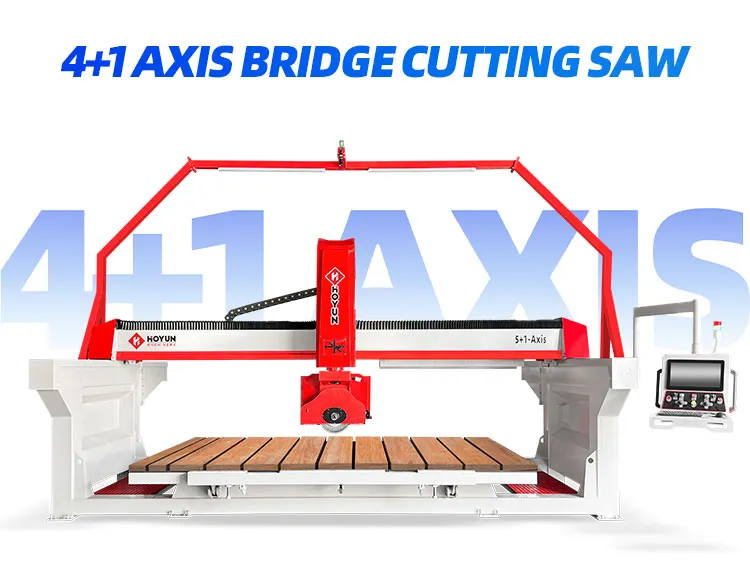
One popular type is the bridgesaw. These machines are ideal for large-scale projects where stability and precision are paramount.
They offer a robust structure, ensuring consistent and accurate cuts.
For smaller tasks, handheld granite cutters provide flexibility. They are perfect for detail-oriented or intricate work.
These machines are lightweight, making them easy to maneuver on site.
Water-cooled systems are essential features in many of these machines. They help prolong blade life and minimize dust, enhancing both efficiency and safety.
Here’s a quick summary of machine types:
Bridgesaw: Stability and precision, great for large projects.
Handheld granite cutter: Flexibility for detailed tasks.
Water-cooled: Reduced dust, extended blade life.
Choosing the right type will depend on your project’s specific requirements and scale. Understanding these options can lead to more informed and beneficial decisions.
Key Features to Consider
When selecting a granite cutting machine, certain features are essential for achieving optimal performance.
These features can significantly affect your workflow and the quality of the final product.
Blade size is a critical factor. Larger blades may be necessary for substantial pieces of stone, while smaller blades offer precision for detailed work.
The right blade size ensures efficient and accurate cuts.
Cutting speed influences productivity. Faster machines can meet tight deadlines, but must balance speed with precision to maintain quality.
The ideal speed setting varies depending on the stone type and the specific cut requirements.
Power source is another consideration. Machines can be electric or fuel-powered, affecting mobility and operational costs. Determine which source aligns with your work environment and project demands.
Here’s a list of key features to evaluate:
Blade size: Determines cut capabilities.
Cutting speed: Impacts productivity and precision.
Power source: Influences mobility and cost.
Considering these features can lead to improved outcomes, ensuring that the machine aligns with your specific project needs.
How to Match the Machine to Your Project Needs
Understanding the scale of your project is crucial. If you work on large-scale projects, a bridgesaw might be your best bet. Its stability and precision can handle extensive cuts without compromising accuracy.
For intricate, smaller tasks, consider a handheld granite cutter.
These tools offer flexibility and easy maneuverability, which is ideal for detailed work.
Their portability can be avaluable asset for on-site jobs.
To align your machine choice with project requirements, think about these factors:
Project size and scale: Large or small?
Type of cuts needed: Precision or general?
Location: On-site flexibility versus fixed setup.
Properly matching a granite cutting machine to your project ensures efficiency and quality, enhancing your workflow and improving the final product.
Safety is paramount when operating a granite cutting machine. Always ensure you wear the proper protective gear.
This includes goggles, gloves, and hearing protection to shield you from dust and noise hazards.
Routine maintenance is key to maximizing your machine’s lifespan. Regularly inspect components for wear and tear, focusing on the blade and motor.
Keeping these in optimal
condition reduces downtime and enhances performance.
Incorporate these practices for a safer and longer-lasting granite cutting machine:
Use correct protective equipment
Regularly clean and lubricate parts
Check emergency stops and safety guards
Following these tips not only ensures safe operations but also preserves the machine’s efficiency.
Innovations and Technology in Granite Cutting
The granite cutting industry has seen remarkable advancements in technology. New developments have boosted precision and efficiency.
Automated machines now offer programmable settings and remote monitoring.
These innovations streamline operations and enhance cutting accuracy. They also reduce labor costs and improve safety with enhanced control systems.
Significant advances in technology include:
Laser-guided cutting systems for precision
Automated machines with remote monitoring capabilities
Energy-efficient designs to cut costs
These technological improvements provide a competitive edge in the industry.
Embracing these advancements can significantly impact your productivity and profitability.
Cost, Value, and Manufacturer Support
Selecting the right granite cutting machine involves weighing cost against benefits. While initial investment is important, long-term savings matter more. Quality machines may cost more upfront but offer durability and efficiency.
Evaluating value entails considering features, performance, and maintenance costs.
Reliable machines from reputable manufacturers often provide the best value.They often include
robust support services and readily available spare parts.
Consider these factors when assessing cost and value:
Initial purchase price versus long-term savings
Comprehensive warranty and after-sales support
Availability of replacement parts and consumables
Manufacturers with good reputations often provide essential support.
Their commitment to customer service enhances your experience and ensures smooth operation over time.
Conclusion: Making the Right Choice
Would you like to know more about the granite cutting machine? Please contact us.
Email: Jessie@hoyunmachinery.com
Whatsapp :+ 86 15627207763